
Introduction
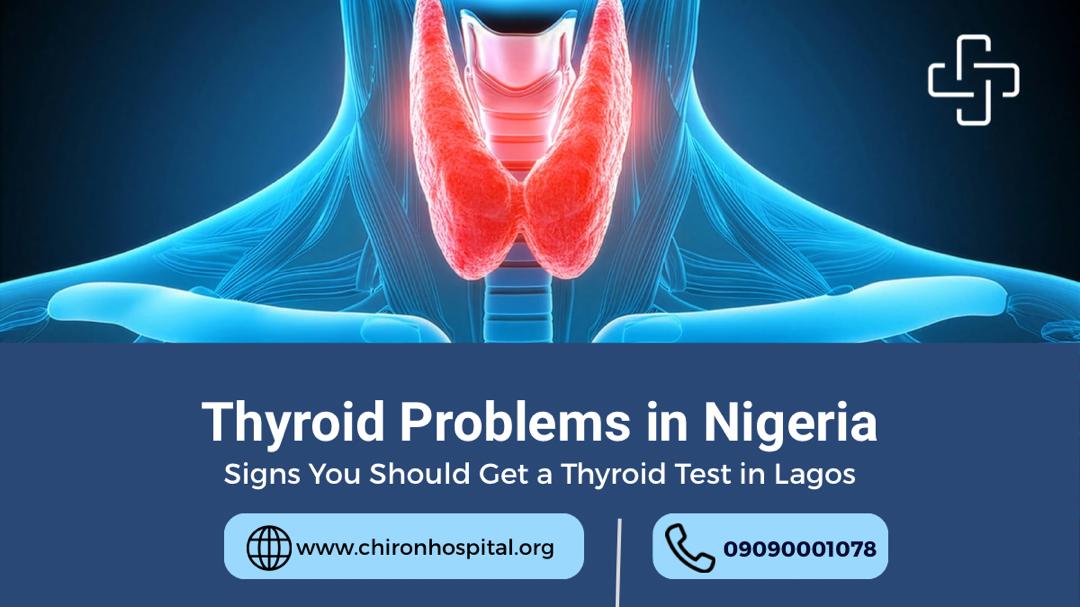
The thyroid gland is small, butterfly-shaped, and sits quietly at the base of your neck. Most Nigerians have never given it a second thought. Yet this overlooked gland controls some of the most fundamental processes in the human body, from metabolism and energy levels to mood, weight, heart rate, and reproductive health. When it stops working correctly, everything feels off, and yet because the symptoms of thyroid dysfunction are so varied and so easy to attribute to other causes, thousands of Lagos residents are living with undiagnosed thyroid conditions without knowing it.
At Chiron Hospital, our endocrinology team sees thyroid disorders regularly and understands how significantly they affect quality of life when left undetected. In this article , Dr Akinyele, Chiron Hospital’s consultant endocrinologist helps you recognise the signs, understand the conditions, and know when it is time to get tested.
Understanding Thyroid Disorders and Why They Are Common in Nigeria
The thyroid produces hormones, primarily thyroxine and triiodothyronine, that regulate the speed at which every cell in your body functions. Too much or too little of these hormones throws the entire system into imbalance, affecting energy, weight, temperature regulation, mood, digestion, and fertility.
Hypothyroidism occurs when the thyroid is underactive and produces insufficient hormones. The body slows down across every system. It is the most commonly missed thyroid condition in Nigerian women and is frequently mistaken for stress, anaemia, or simply ageing. Hyperthyroidism occurs when the thyroid is overactive and produces excess hormones. The body accelerates in ways that feel uncontrollable, rapid heartbeat, weight loss, anxiety, and heat intolerance being among the most disruptive symptoms.
Goitre is an enlargement of the thyroid gland that is visible as a swelling at the base of the neck. Iodine deficiency, which remains a concern in parts of Nigeria, is one of the leading causes of goitre in the country. Nodules are growths within the thyroid that are often benign but require evaluation. Thyroid cancer, while less common, is treatable when caught early through proper investigation.
Iodine deficiency, limited routine screening, delayed healthcare presentation, and the tendency to attribute symptoms to spiritual or stress-related causes all contribute to the high rate of undiagnosed thyroid disease across Nigeria.
Signs You Should Get a Thyroid Test
- Unexplained weight changes: Gaining weight consistently despite no change in diet or activity may signal an underactive thyroid. Losing weight without trying, particularly alongside increased appetite, may indicate an overactive thyroid. Both warrant investigation.
- Persistent fatigue that sleep does not fix: Feeling exhausted regardless of how much you rest is one of the most consistent symptoms of hypothyroidism. It is routinely dismissed as overwork or stress in Lagos patients, delaying diagnosis significantly.
- Mood disturbances and depression: Hypothyroidism is strongly associated with depression, brain fog, and emotional flatness. Hyperthyroidism is associated with anxiety, irritability, and restlessness. Many patients receive psychiatric treatment before thyroid dysfunction is considered.
- Hair loss and skin changes: Thinning hair, brittle nails, and dry or thickened skin are classic hypothyroid symptoms that Nigerian women frequently attribute to hair products or nutritional deficiency without investigating further.
- Irregular menstrual cycles and fertility challenges: Thyroid dysfunction disrupts the hormonal balance required for regular ovulation and menstruation. Women experiencing heavy periods, missed cycles, or difficulty conceiving should have thyroid function evaluated as part of their workup.
- Heart rate abnormalities: A persistently slow heart rate may suggest hypothyroidism. A racing or irregular heartbeat, particularly at rest, may indicate hyperthyroidism or associated cardiac complications requiring urgent assessment.
- Sensitivity to temperature: Feeling cold all the time when others around you are comfortable is a hallmark hypothyroid symptom. Feeling excessively hot and sweating without exertion suggests hyperthyroidism.
- Visible neck swelling: Any swelling, lump, or fullness at the base of the front of the neck should be evaluated by a doctor immediately, regardless of whether other symptoms are present.
Thyroid Testing and What to Expect at Chiron Hospital
- TSH test: The thyroid stimulating hormone test is the primary screening tool for thyroid dysfunction. A single blood draw provides an initial picture of how the thyroid is functioning and whether further investigation is warranted.
- Free T3 and Free T4 tests: These tests measure the actual thyroid hormones circulating in the blood and provide more specific information about the nature and severity of any dysfunction detected.
- Thyroid antibody testing: Elevated thyroid antibodies indicate autoimmune thyroid conditions such as Hashimoto’s thyroiditis or Graves’ disease, which require specific management approaches distinct from other thyroid disorders.
- Thyroid ultrasound: Imaging allows our team to assess the size, structure, and texture of the thyroid gland and identify nodules, cysts, or abnormalities that blood tests alone cannot detect.
- Fine needle aspiration biopsy: When a nodule is identified, a minimally invasive biopsy may be recommended to determine whether cells are benign or require further intervention.
Treatment Options Available at Chiron Hospital
- Thyroid hormone replacement: Hypothyroidism is managed with synthetic thyroid hormone medication taken daily. With correct dosing and regular monitoring, most patients experience complete resolution of symptoms and return to normal quality of life.
- Antithyroid medications: Hyperthyroidism is treated with medications that reduce thyroid hormone production. Our endocrinology team monitors response carefully and adjusts dosing based on regular blood work.
- Radioactive iodine therapy: A non-surgical option for hyperthyroidism that reduces thyroid activity. Our team will determine whether this option is appropriate based on individual patient circumstances.
- Surgical management: Partial or total thyroid removal may be recommended for large goitres, thyroid cancer, or cases where other treatments have not achieved adequate control.
- Nutritional and lifestyle support: Iodine intake, selenium levels, and stress management all play supporting roles in thyroid health. Our team provides holistic guidance alongside medical treatment.
Conclusion
Thyroid dysfunction is common, frequently missed, and entirely treatable when identified early. If you have been experiencing unexplained fatigue, weight changes, mood disturbances, hair loss, or menstrual irregularities, your thyroid may be the answer your body has been waiting for you to find. At Chiron Hospital, our endocrinology team provides comprehensive thyroid testing, accurate diagnosis, and personalized treatment plans for Lagos patients at every stage of thyroid disease. You do not have to keep guessing. You deserve a clear answer and a clear path forward.
Schedule a consultation with Dr Akinyele for your thyroid evaluation today and find out what your body has been trying to tell you. To schedule a consultation, please call us at 09090001078 or contact us via WhatsApp or email at admin@chironhospital.org. Your journey to better thyroid health begins here.