
Introduction
Type 2 diabetes is one of the most prevalent chronic conditions affecting Nigerians today, and Lagos is no exception. With changing dietary habits, increasingly sedentary lifestyles, and growing urban stress, more Lagos residents are being diagnosed with type 2 diabetes at younger ages than ever before. Yet despite its prevalence, many patients continue to manage the condition without adequate specialist support, leading to complications that are largely preventable.
At Chiron Hospital, our endocrinology team is committed to helping patients understand, manage, and live well with type 2 diabetes. In this guide, Dr Akinyele, Chiron Hospital’s consultant endocrinologist, walks you through everything you need to know about managing type 2 diabetes in Lagos.
Understanding Type 2 Diabetes in the Nigerian Context
Unlike type 1 diabetes, which is an autoimmune condition, type 2 diabetes develops when the body becomes resistant to insulin or fails to produce enough of it. Over time, blood sugar levels rise and begin to damage organs, nerves, and blood vessels silently Genetic predisposition, high consumption of refined carbohydrates such as white rice, bread, and fried foods, combined with low physical activity levels in urban Lagos, creates the perfect environment for type 2 diabetes to develop. Many Lagos patients live with type 2 diabetes for years before receiving a diagnosis. The condition rarely produces obvious symptoms in its early stages, which is why routine screening is critical.
Many Nigerians believe diabetes only affects overweight individuals or the elderly. In reality, lean individuals and young adults in their thirties are increasingly being diagnosed, making awareness across all demographics essential. Long commutes, high stress environments, irregular meal times, and dependence on processed convenience foods are contributing significantly to rising diabetes rates across Lagos.
Managing Type 2 Diabetes Effectively
- Dietary adjustments for the Nigerian plate: Management does not require abandoning Nigerian cuisine entirely. It requires understanding portion sizes, reducing refined carbohydrate intake, increasing vegetables and lean proteins, and choosing lower glycaemic index alternatives where possible. Swapping white rice for ofada rice, reducing eba portions, and increasing vegetable soups are practical starting points.
- Physical activity in a Lagos lifestyle: Exercise is one of the most powerful tools for blood sugar management. Even thirty minutes of brisk walking five days a week produces measurable improvements in insulin sensitivity. Our team helps patients find activity routines that are realistic given Lagos traffic and work schedules.
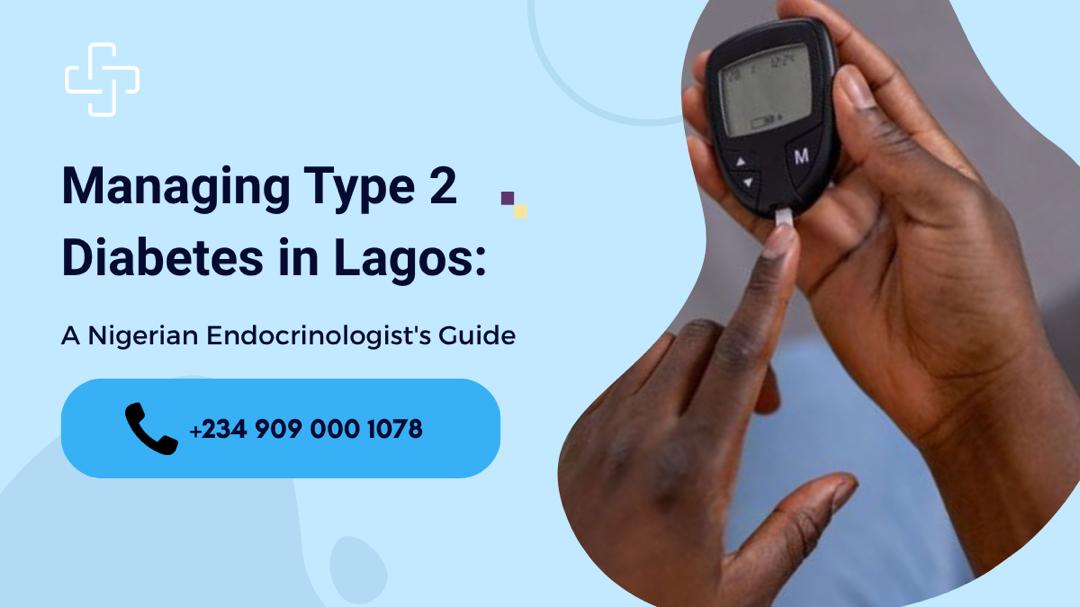
- Blood sugar monitoring: Regular self-monitoring at home allows patients to understand how specific meals, stress, and activity levels affect their blood sugar. Knowing your numbers is not optional. It is the foundation of good diabetes management.
- Medication management: Some patients require oral medication and others require insulin. The right regimen depends on individual blood sugar levels, kidney function, and other health factors. Self-medicating or adjusting doses without specialist guidance significantly increases complication risk.
- Stress and sleep: Chronic stress raises cortisol levels which directly elevates blood sugar. Poor sleep compounds this effect. Our endocrinology team addresses these often-overlooked factors as part of a comprehensive diabetes management plan.
Preventing and Managing Diabetes Complications
- Diabetic kidney disease: High blood sugar damages the small blood vessels in the kidneys over time. Regular kidney function tests allow for early intervention before irreversible damage occurs.
- Diabetic neuropathy: Nerve damage resulting from prolonged high blood sugar causes tingling, numbness, and pain, particularly in the feet and hands. Lagos patients frequently present with advanced neuropathy due to delayed diagnosis.
- Diabetic eye disease: Retinopathy is a leading cause of preventable blindness in Nigeria. Annual eye examinations are a non-negotiable part of diabetes care that many patients overlook entirely.
- Cardiovascular complications: People with type 2 diabetes face a significantly elevated risk of heart attack and stroke. Blood pressure and cholesterol management are as important as blood sugar control in reducing this risk.
- Foot care: Poor circulation and nerve damage make diabetic foot complications a serious concern. Small cuts or blisters that go unnoticed can escalate rapidly. Our team provides specific foot care guidance to every diabetes patient.
Conclusion
Type 2 diabetes is not a death sentence. With the right knowledge, consistent monitoring, appropriate medication, and specialist support, Lagos patients can live full, healthy, and complication-free lives. The key is not waiting until complications appear before seeking proper care. At Chiron Hospital, our endocrinology team provides personalised, evidence-based diabetes management designed specifically for the Nigerian patient. From dietary counselling to medication review and complication screening, we walk this journey with you every step of the way.
Prioritise your health today. Schedule a consultation with Dr Akinyele today and take the first step toward better diabetes care. To schedule a consultation, please call us at 09090001078 or contact us via WhatsApp or email at admin@chironhospital.org. Your journey to better diabetes management begins here.
Recent Comments