
The call usually comes unexpectedly. A loved one suddenly cannot breathe properly. Someone collapses after a stroke. A surgery becomes more complicated than anticipated. Then comes the sentence many families fear hearing: “The patient needs to be moved to the ICU.”
For many people in Lagos, the Intensive Care Unit feels unfamiliar and intimidating. The machines, restricted visiting hours, constant monitoring, and urgency around every decision can make families anxious. Questions begin to race through the mind almost immediately. Is the condition life-threatening? Why can’t they stay in a regular hospital room? Will they recover?
At Chiron Hospital, one of the first things medical teams try to do is help families understand that the ICU is not simply a room for critically ill patients. It is a place designed to give patients the highest level of medical attention when their body needs support beyond routine hospital care.
Why Would Someone Be Taken to the ICU?
Imagine a patient who arrives at the hospital struggling to breathe after a severe infection. In a regular ward, nurses may check vital signs every few hours. But in the ICU, every heartbeat, oxygen level, and blood pressure change can be monitored second by second.
That level of attention matters because critically ill patients can deteriorate very quickly. The ICU exists to respond immediately when those changes happen.
Patients are commonly admitted into intensive care after conditions such as severe stroke, heart attack, major surgery, serious infections, accidents, or respiratory failure. Sometimes, it is not because the patient is close to death. It may simply mean their condition requires closer observation and more advanced support for a period of time.
What Families Usually Notice First
Families entering the ICU for the first time often describe the experience the same way: quiet, tense, and full of machines.
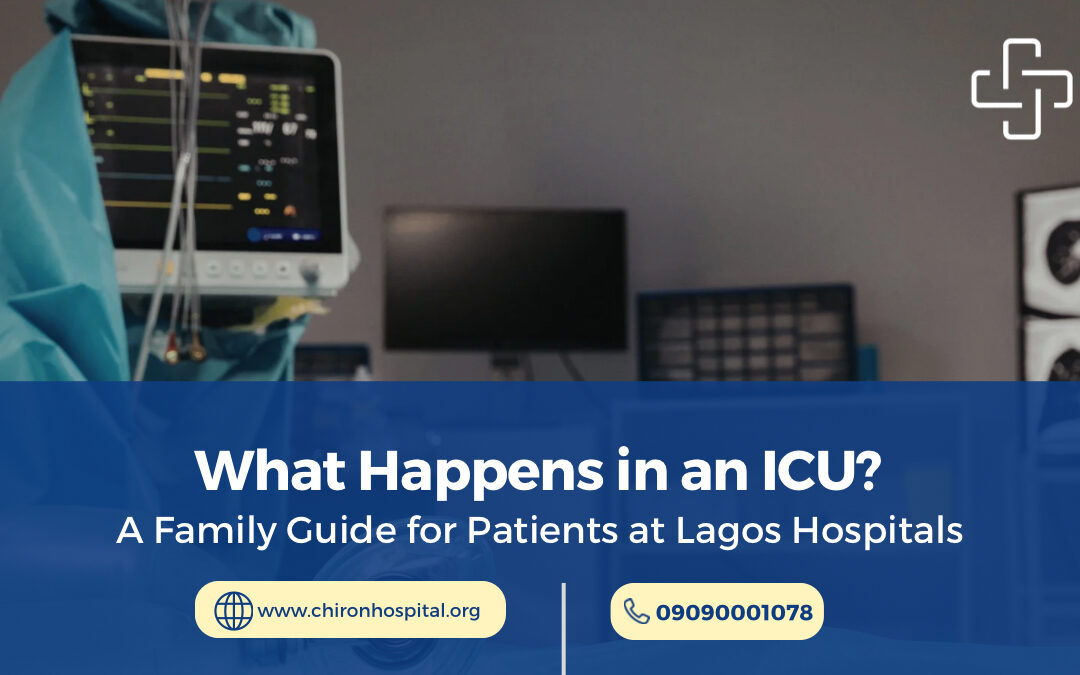
Monitors beside each bed display heart rate, oxygen levels, and blood pressure in real time. Some patients may be connected to ventilators to help them breathe. Others receive medications through intravenous lines while nurses move carefully from one patient to another, watching for even the smallest changes.
To someone unfamiliar with critical care, the environment can feel frightening. But every machine and every alarm serves a purpose. The ICU is built for rapid response. When something changes, the medical team knows immediately.
The Emotional Side Families Rarely Prepare For
One of the hardest parts of having a loved one in intensive care is the uncertainty. Families want answers immediately, but recovery in critical care is often gradual and unpredictable.
A patient may improve one day and require more support the next. That emotional back-and-forth can be exhausting. Many relatives also struggle with the limited visiting hours common in ICUs. It may feel difficult leaving someone you love behind in such a vulnerable state.
At Chiron Hospital, communication between doctors and families becomes a major part of care. Families are updated regularly about the patient’s condition, treatment plan, and progress because understanding what is happening often reduces fear and confusion.
Frequently Asked Questions Families Ask About the ICU
- Does ICU mean the patient is dying? Not always. While ICU patients are critically ill or require close monitoring, many people recover and leave intensive care successfully. Some patients are admitted purely for observation after complex surgery or because they need temporary support while the body heals.
- Why can’t the patient stay in a normal ward? A regular hospital ward cannot provide the same level of continuous monitoring or specialized equipment available in the ICU. Critically ill patients may require immediate intervention within seconds or minutes if their condition changes.
- What do all the machines actually do? The machines help monitor and support vital body functions. Some track heart activity and oxygen levels, while others help patients breathe or receive medication safely. Although they can appear overwhelming, they are there to improve safety and recovery.
- Why are visiting hours restricted? Critically ill patients need rest, controlled environments, and reduced infection exposure. Limiting traffic inside the ICU also allows healthcare workers to focus fully on treatment and emergency response when necessary.
- How long does someone stay in the ICU? There is no fixed timeline. Some patients remain for only a day or two, while others may need intensive care for longer depending on their condition, complications, and response to treatment.
Why Early Intensive Care Can Save Lives
One of the biggest misconceptions families have is waiting too long before seeking emergency care. Symptoms such as difficulty breathing, chest pain, sudden weakness, unconsciousness, or severe infections should never be ignored.
In critical care, timing changes outcomes. Early ICU intervention can stabilize patients before complications become irreversible. The sooner advanced monitoring and treatment begin, the better the chances of recovery.
Compassionate Critical Care in Lagos
Moments involving intensive care are often some of the most difficult experiences families face. Beyond medical treatment, patients and relatives need reassurance, communication, and coordinated support.
At Chiron Hospital, intensive care is built around both medical precision and compassionate treatment. From emergency stabilization to recovery monitoring, the ICU team works continuously to provide patients across Nigeria with the highest level of care during life-threatening situations.
When Emergency Care Cannot Wait
If someone experiences severe breathing difficulties, stroke symptoms, chest pain, sudden unconsciousness, or any rapidly worsening condition, immediate medical attention is critical.
Visit Chiron Hospital for expert emergency and intensive care services.
📞 Call: +234 909 000 1078
🌐 Website: www.chironhospital.org