
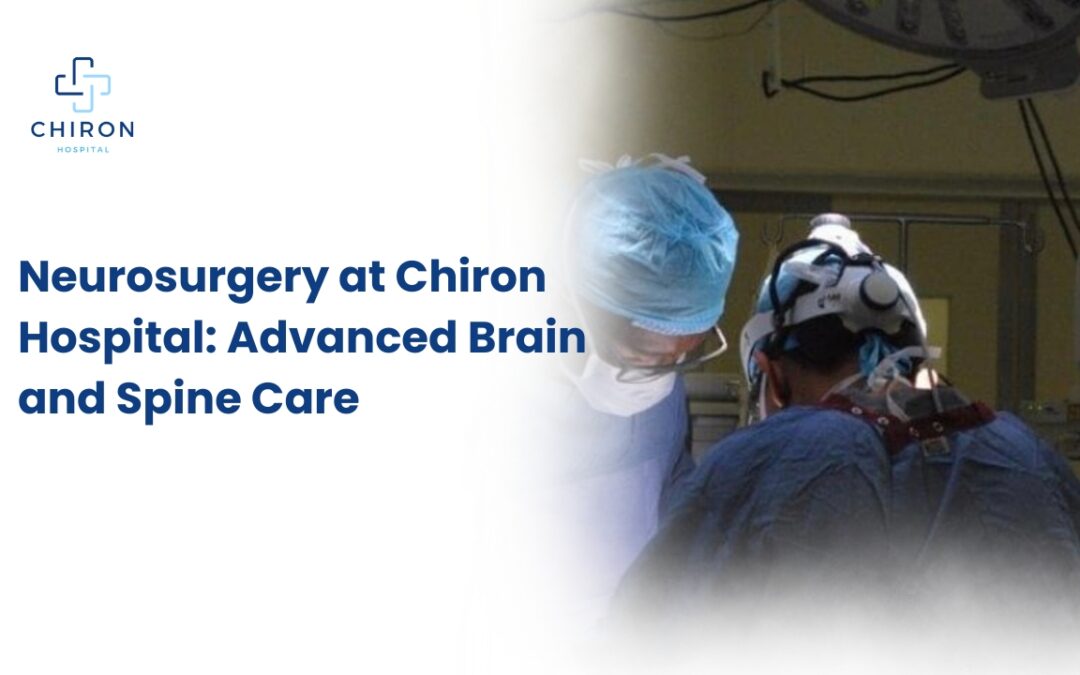
Neurosurgery focuses on some of the most sensitive areas of medicine: the brain, spine, and nervous system. Conditions affecting these areas often develop quietly at first, then progress into symptoms that can disrupt movement, speech, memory, or even consciousness. At Chiron Hospital, neurosurgical care is delivered with a focus on early diagnosis, precise treatment planning, and structured recovery support.
When Neurological Symptoms Should Not Be Ignored
Brain and spine conditions do not always present dramatically. Some begin with persistent headaches that do not respond to medication. Others appear as gradual weakness in the arms or legs, tingling sensations, balance issues, or difficulty walking. In more urgent cases, symptoms may appear suddenly, such as seizures, loss of consciousness, or complications following head or spinal injuries. These situations require immediate medical attention.
What Neurosurgery Involves
Neurosurgery deals with the diagnosis and treatment of conditions affecting the brain, spine, and peripheral nerves. This includes brain tumors, spinal cord compression, herniated discs, traumatic injuries, aneurysms, and other complex neurological disorders At Chiron Hospital, surgical intervention is considered only after careful evaluation. In some cases, non-surgical management may be recommended depending on the condition.
Neurosurgical care at Chiron Hospital is led by Segun Apata, who is responsible for evaluating patients, interpreting diagnostic scans, and determining the safest and most effective treatment approach. His role includes both surgical and non-surgical decision-making, ensuring each patient receives care tailored to their condition.
When Neurosurgery May Be Required
A neurosurgical consultation may be recommended in cases such as:
– Persistent or severe headaches linked with neurological symptoms
-Brain or spinal tumors
– Traumatic brain or spine injuries
– Spinal disc problems causing nerve compression
– Seizures that do not respond to medication
– Stroke-related complications affecting brain function
Each case is carefully assessed before any treatment decision is made.
What Happens if Surgery is Needed
If surgery becomes necessary, patients are guided through every step. This includes imaging tests, pre-surgical evaluation, and a clear explanation of the procedure. After surgery, patients are closely monitored in a controlled environment. Recovery plans may include medication, physiotherapy, and follow-up visits depending on the condition treated.
Recovery and Follow-Up Care
Recovery varies depending on the complexity of the condition and the type of surgery performed. Some patients recover within weeks, while others require longer rehabilitation. At Chiron Hospital, follow-up care is an important part of treatment, ensuring progress is monitored and complications are prevented.
Frequently Asked Questions
– Do all neurological conditions require surgery? No. Many brain and spine conditions can be managed with medication, therapy, or observation. Surgery is only recommended when necessary.
– Is neurosurgery safe? All surgical procedures carry some risk, but careful planning and specialist care help improve safety and outcomes.
– How long is recovery after neurosurgery? Recovery time varies. Some patients resume normal activities within weeks, while others need longer rehabilitation.
– When should I see a neurosurgeon? If symptoms such as persistent headaches, weakness, seizures, or spinal pain affect daily life, early evaluation is important.
Advanced Neurosurgical Care You Can Trust
Brain and spine conditions require timely, specialized care. At Chiron Hospital, neurosurgical services are supported by diagnostic imaging, surgical expertise, and coordinated recovery care focused on patient safety.
If neurological symptoms are present, early assessment can make a major difference in outcomes. Visit Chiron Hospital for expert neurosurgical evaluation and care.
📞 Call: +234 909 000 1078
🌐 Website: www.chironhospital.org