
A stroke can happen suddenly and without warning. One moment, a person feels completely fine, the next, they may struggle to speak, move one side of their body, or even recognize familiar faces. For many families, the emergency treatment stage is only the beginning. Recovery after a stroke often takes time, patience, rehabilitation, and continuous medical support.
At Chiron Hospital, we understand that stroke recovery is about more than survival. It is about helping patients regain independence, confidence, and the ability to return to daily life as much as possible.
What Happens During a Stroke?
A stroke occurs when blood supply to part of the brain is interrupted, either because of a blockage or bleeding in the brain.
Without oxygen, brain cells begin to die quickly. Depending on the affected area, stroke survivors may experience:
• Weakness or paralysis
• Difficulty speaking
• Memory problems
• Poor balance or coordination
• Difficulty swallowing
• Emotional changes
• Reduced mobility
Some patients recover faster than others, but rehabilitation often plays a major role in long-term improvement.
Why Rehabilitation Is So Important
After a stroke, the brain begins trying to adapt and relearn certain functions. Rehabilitation helps support this process, many stroke survivors need help relearning simple activities such as walking, speaking clearly, eating independently, or using their hands again. Without rehabilitation, recovery may become slower and complications from immobility may increase.
Stroke rehabilitation focuses on improving:
• Strength and movement
• Speech and communication
• Coordination and balance
• Daily functioning
• Emotional wellbeing
Recovery may feel frustrating at times, especially during the early stages, but gradual improvement is possible with consistency and proper care.
The Emotional Side of Stroke Recovery
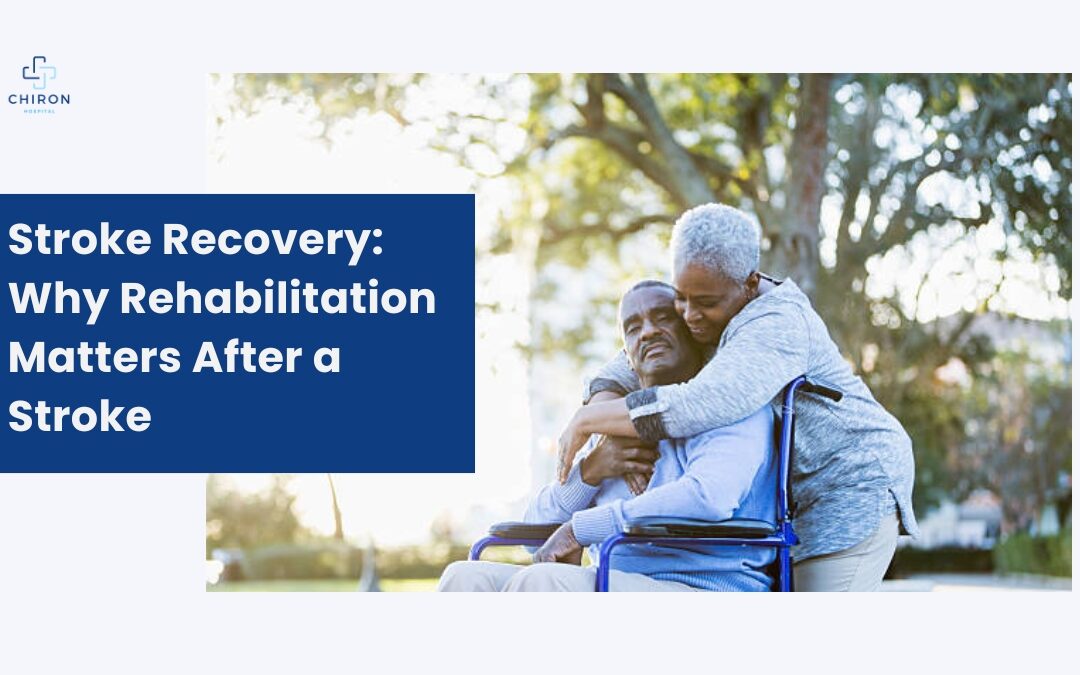
Many people focus only on the physical effects of stroke, but emotional recovery is equally important. Stroke survivors may experience anxiety, frustration, depression, or loss of confidence after major lifestyle changes. Families and caregivers may also feel overwhelmed trying to support recovery at home.
This is why ongoing medical guidance, therapy, encouragement, and support systems are important throughout rehabilitation.
Preventing Another Stroke
For many stroke survivors, managing underlying health conditions becomes part of long-term recovery.
Conditions that can significantly increase the risk of another stroke if left unmanaged are:
• High blood pressure
• Diabetes
• High cholesterol
• Heart disease
• Obesity
• Smoking
Lifestyle changes, medication compliance, regular medical follow-up, and rehabilitation all work together to improve recovery outcomes and reduce future risk.
Supporting Recovery Every Step of the Way
At Chiron Hospital, our team provides comprehensive stroke care, rehabilitation support, and neurological follow-up tailored to each patient’s condition and recovery goals. Stroke recovery takes time, but early intervention, rehabilitation, and continuous support can make a meaningful difference in restoring quality of life.
📞 +234 909 000 1078
🌐 www.chironhospital.org
Recent Comments